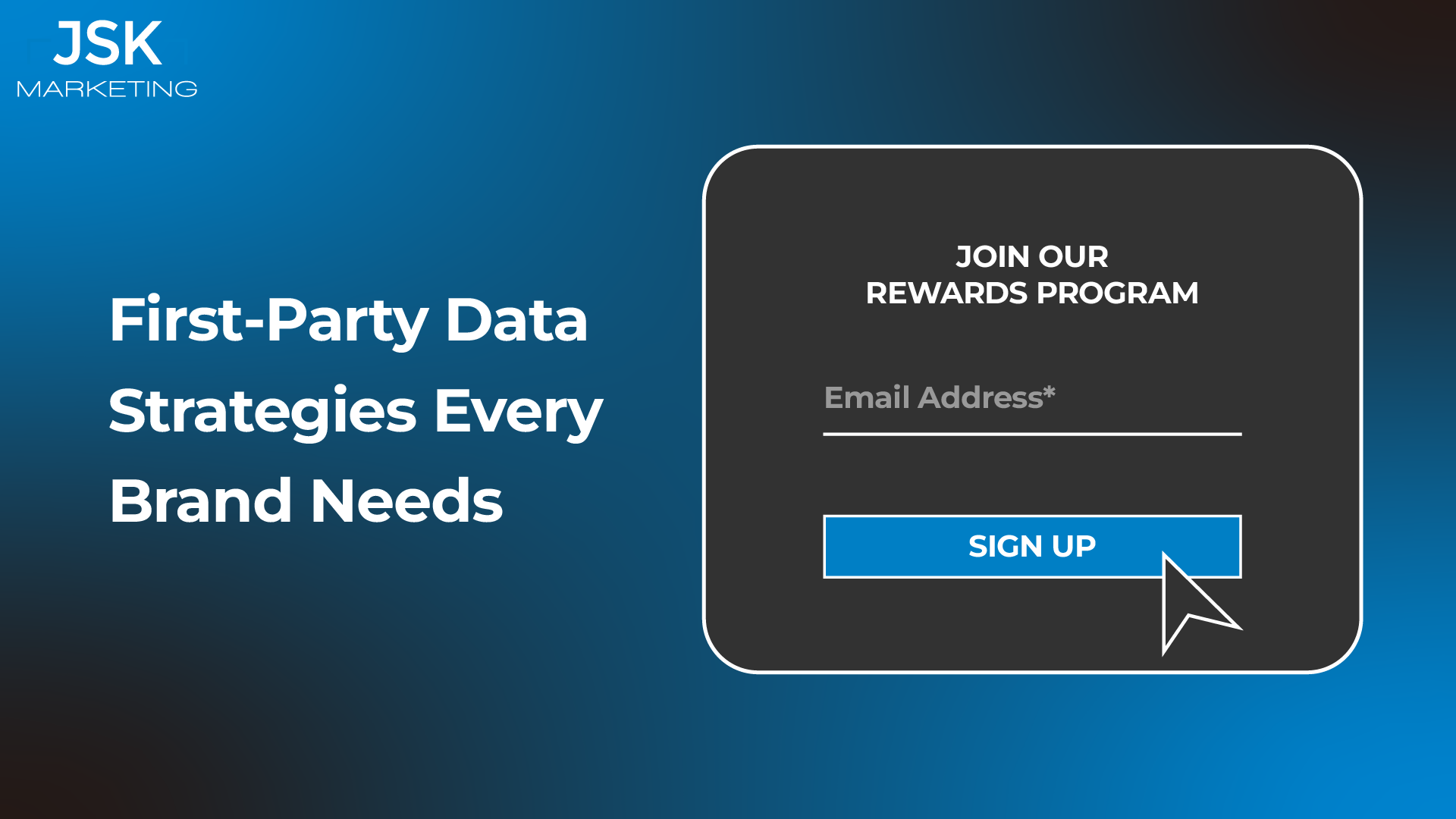
We’ve talked before about how first-party data can drive smarter campaigns. Since then, the cookie situation has only gotten messier. Google backed off deprecating third-party cookies in Chrome, opting for a user-choice model instead, while Safari and Firefox still block them by default. The result is a fragmented web where what you can rely on depends entirely on someone’s browser settings.
You can’t build a strategy around a source that behaves differently from browser to browser. You can build one around customers who give you their information directly.
What Is First-Party Data, anyway? (A Refresher)
Let’s strip away the corporate buzzwords. First-party data is simply information your company collects directly from your audience. This includes your customers, website visitors, and email subscribers. Because you gather it straight from the source during real interactions, you own it entirely.
Think of it as the digital equivalent of a local shopkeeper remembering a regular customer’s name and favorite product. It is generated through everyday actions across your digital footprint, such as:
- Website behavior: What pages people look at, what products they drop into a cart, and what articles they read.
- Subscription info: The details people willingly hand over when they sign up for your newsletter, create an account, or download a guide.
- Purchase history: A clear record of what they bought, how much they spent, and how often they return.
Every successful modern brand strategy relies on this foundation because it represents a direct, honest relationship with your audience.
Why Should You Care About First-Party Data?
- It’s accurate and durable: Third-party data gets bundled by outside brokers and goes stale fast. First-party data comes straight from real interactions, and no browser policy or regulation can touch the direct relationship a brand has with its own customers.
- It keeps you out of legal trouble: People hand over their info willingly instead of having it collected behind the scenes. That’s not just a legal safeguard; it’s the foundation of trust. Customers who know what they’re sharing and why are far more likely to stick around than ones who feel tracked (or tricked).
- It saves you money: Buying third-party lists gets expensive, and your competitors can buy the exact same data. First-party data comes from channels you already own.
The First-Party Data Strategies That Actually Work
1. Offer something of real value
Nobody hands over an email address for nothing. Offer something worth the trade: a discount, early access, or an interactive quiz that points them to the right product.
2. Just ask them
Instead of guessing what customers want from their clicks, ask directly. This is zero-party data: preferences people volunteer on purpose through a survey, poll, or preference center.
3. Centralize what you collect
Purchase history in one system and email engagement in another gives you a fragmented view of the same customer. Bring data together into one place so you can act on the full picture.
4. Make consent part of the experience, not a checkbox
Clear opt-ins and visible controls over what info gets collected are so much more than compliance requirements. They signal respect, and customers notice.
5. Personalize without being creepy
If someone buys a product, follow up with tips on using it, not another sales pitch. If they leave something in a cart, send a friendly reminder. Treat the engagement like a helpful conversation.
Turning First-Party Data into Results for Your Brand
None of this requires a bigger budget. It requires paying attention to customers who’ve already chosen to trust you with their information and using what they’re telling you.
At JSK Marketing, we can help you turn scattered insights into marketing that treats your customers like humans, not data points. And that’s a strategy that truly works.