Great marketing does not come from talking about how great your brand is. It comes from showing people you understand them.
That is harder than it sounds. Many campaigns miss the mark because they rely on broad messaging and assumptions instead of real insight. You can have strong creative and a solid offer, but if the message does not match the audience, it will not convert. No matter how good the steak is, you are not selling it to a vegan.
This is where first-party data changes everything.
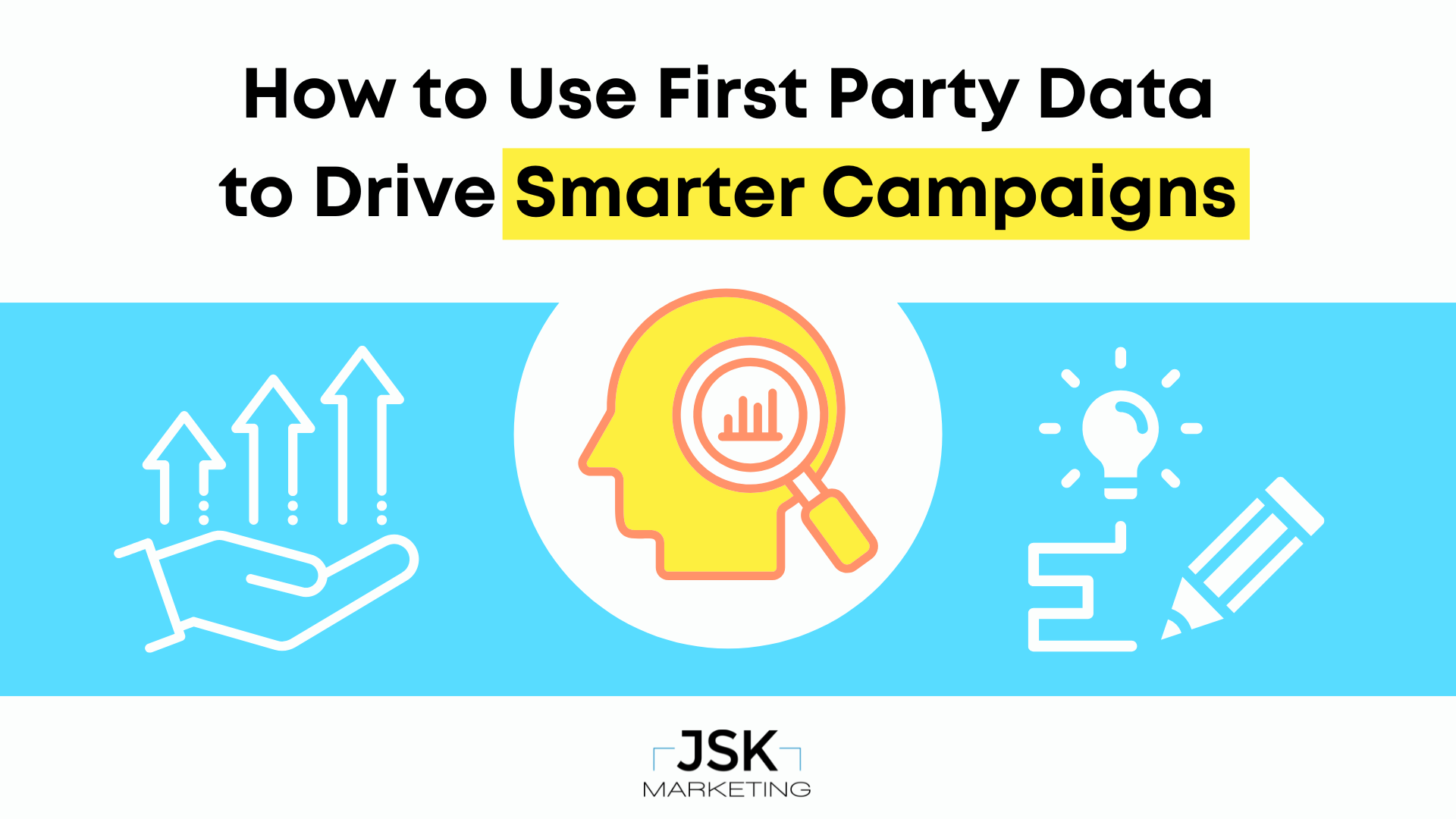
Brands that know how to collect, and actually use, their own audience data deliver more relevant messaging, better experiences, and stronger results. As privacy tightens and third-party data becomes less reliable, first-party data has become the foundation for smarter campaigns.
What Is First-Party Data?
First-party data is information you collect directly from your audience through your own channels. This includes website behavior, email engagement, form submissions, purchase or service history, and repeat visits.
Because it comes from real interactions, first-party data is accurate, permission-based, and specific to your business. More importantly, it shows what your audience values: what they engage with, what they ignore, and where their interests actually lie.
Why Generic Messaging Falls Flat
Without first-party data, most brands default to one-size-fits-all campaigns. One email is sent to everyone. One ad message is used for every audience. One landing page serves every visitor.
First-party data allows marketing to respond to behavior instead.
For example:
- A visitor who spends time on a specific service page can be retargeted with content related to that service rather than a generic brand message.
- A customer who recently made a purchase can receive helpful follow-up content or complementary offers instead of another sales pitch.
- Email subscribers who engage with educational content can receive more learning-focused messaging, while sales-ready users receive offers.
- Returning website visitors can see different messaging than first-time visitors.
In each case, the brand is not talking about itself. It is continuing a conversation the customer already started.
How This Leads to Better Experiences (and Better Results)
When people receive relevant information, they engage. Open rates improve. Click-through rates increase. Conversion paths shorten. They associate the brand with value versus annoyance.
First-party data helps brands:
- Reduce message fatigue
- Improve timing and frequency
- Deliver content that feels useful instead of interruptive
- Build trust by respecting intent and privacy
It also plays a critical role in modern, AI-driven marketing. AI tools rely on clean, reliable data to personalize experiences and automate effectively. Brands with strong first-party data are far better positioned to use these tools and outperform competitors.
Most Brands Already Have the Data. They Are Just Not Using It.
Many brands assume they do not have enough data to personalize. In reality, they may be sitting on a treasure trove of customer emails, purchase history, and website behavior scattered across CRMs, analytics platforms, and other tools.
The problem is not access. It is strategy.
Knowing which data matters, how to connect it, and how to apply it to campaigns is where most teams get stuck.
At JSK Marketing, we help brands identify the first-party data they already have, fill gaps where needed, and turn that insight into campaigns that perform.